Emye Beretwa (እምዬ ብረቷ)
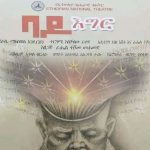
Venue: The historic Ethiopian National Theatre (የኢትዮጵያ ብሔራዊ ቲያትር) located on Gambia Street, Arada District.
Showtime: Sundays at 5:30 PM (translated from the local time 11:30 ሰዓት).
Emye Beretwa (which translates roughly to "Mother of Iron" or "Dear Tough Mother") is an authentic Amharic adaptation of one of the world's most famous epic anti-war plays: Mother Courage and Her Children, originally written in 1939 by the legendary German playwright Bertolt Brecht.
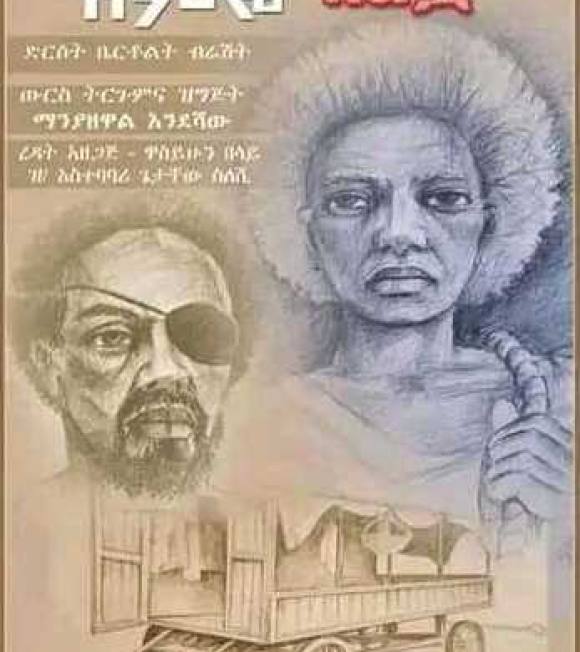
The play was translated, adapted, and directed by Manyazewal Endeshaw, an iconic figure in Ethiopian theater who has also served as the Director General of the National Theatre. Manyazewal is renowned for bringing heavy, globally-significant literature to life in a way that resonates deeply with local audiences.
This is not the first time Brecht's masterpiece has graced the Ethiopian stage.
Over 40 years ago, during a previous era of global political tension, it was famously adapted in Amharic under the title "Enat Alem Tenu" (እናት አለም ጠኑ).
Manyazewal Endeshaw's modern adaptation, backed and promoted in collaboration with cultural institutions like the Goethe-Institut Ethiopia, reimagines the classic story under the name Emye Beretwa.
The narrative follows a fierce, resilient, and business-minded mother who operates a rolling canteen wagon amidst the chaos of a devastating war. She tries to profit from the war to feed and protect her children, but she discovers a brutal truth—the very war she relies on for business slowly and systematically demands the ultimate price from her family.
In the Ethiopian context, the play serves as a profound, emotionally gripping exploration of survival, maternal instinct, resilience, and the devastating socio-economic costs of conflict.
If you are planning to attend, arriving at least 30 minutes early is highly recommended, as Sunday evening slots at the National Theatre are a staple tradition for Addis Ababa's vibrant community of theater enthusiasts and cultural critics.
To understand why Emye Beretwa (እምዬ ብረቷ) is highly regarded at the Ethiopian National Theatre, it helps to look at its unique blend of classic European theater and deeply rooted Ethiopian storytelling techniques.
Here is a deeper dive into the play's structure, performance style, and cultural weight.
"Emye" is an affectionate, deeply respectful term for a mother (famously used historically for Emperor Menelik II as Emye Menelik due to his nurturing leadership).
"Beretwa" translates to "The Iron One" or "She of Iron."
By naming the main character this, the adaptation sets up a complex dichotomy: she is a protective, maternal figure, yet she has developed an impenetrable, cold, "iron" armor to survive and do business in a brutal world.
The narrative follows Emye Beretwa, a fiercely independent trader who travels with a covered canteen wagon, selling food, alcohol, and supplies to soldiers on both sides of a long-standing conflict.
The emotional core of the play revolves around her three children, each representing a distinct human trait:
Quick to join the fight, but his reckless courage ultimately leads to his downfall.
Tries to do the right thing and protect the army's pay chest, but honesty becomes a fatal liability in a corrupt wartime economy.
Though she cannot speak, she serves as the moral conscience of the entire play. Her ultimate act of bravery—saving a town of innocent civilians—provides the play's most tragic and powerful climax.
The deep irony Manyazewal Endeshaw highlights is that Emye Beretwa spends the entire play bargaining. She bargains for prices, she bargains for her children's lives, and she even bargains over the identity of her son's corpse to save herself. In the end, her economic dependence on the war strips her of everything she was working to protect.
Bertolt Brecht wrote with a specific philosophy called Epic Theatre. Instead of wanting the audience to lose themselves in a sad story and cry, he wanted them to stay intellectually awake, think critically, and ask: "Why is society like this, and how can we change it?"
Manyazewal Endeshaw perfectly blends these European techniques with traditional Ethiopian theater methods:
The play uses live music, narrative songs, and direct addresses to the audience. Characters will suddenly break from a scene to sing a commentary on greed or survival.
The central prop of the entire play is Emye Beretwa's massive wagon. At the beginning of the play, it is full, heavy, and pulled by her strong sons while she sits on top. By the end, the wagon is battered and completely empty, and a visibly aged, broken Emye Beretwa must harness herself to it and pull it entirely alone—a striking visual metaphor for the psychological weight of war.
While the structural plot belongs to Brecht, the dialogue is filled with rich Amharic proverbs, cultural idioms, and poetic wordplay (Sem ena Werk / Wax and Gold) that make the historical European setting feel remarkably close to home for an Ethiopian audience.
The play's revival at the National Theatre serves as a powerful reminder of the timelessness of great literature. It moves away from simple "good vs. evil" tropes, showing instead how ordinary human beings become corrupted by structural forces beyond their control.
For theatergoers in Addis Ababa, it remains a masterclass in acting, set design, and socio-political commentary.