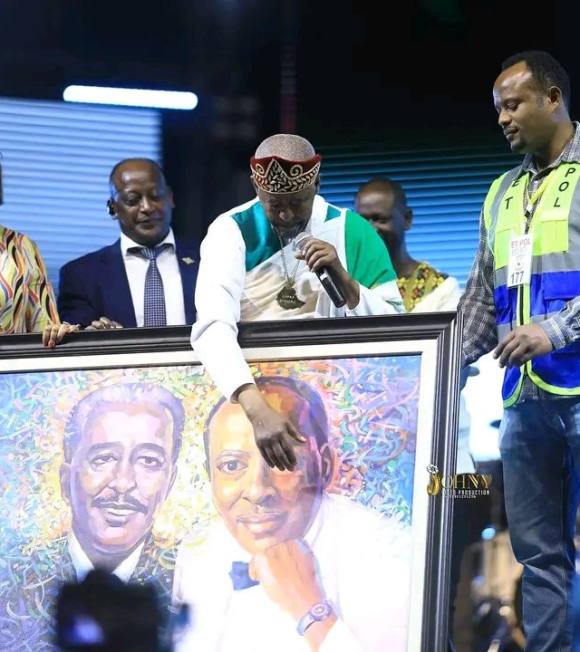
Overview and Significance of the Concert
The farewell concert for the venerable musical icon Mahmoud Ahmed was a landmark gathering designed to celebrate his legendary contribution to Ethiopian music while establishing a crucial tradition of honoring elderly national icons during their lifetimes. The event was overall well-organized, featuring extensive preparations and bringing together a wide array of music industry professionals, artists, and fans to pay homage to a living legend. However, despite its noble vision and high turnout, the execution faced several significant administrative and artistic drawbacks that highlighted key areas for improvement in future honorific events.
Critical Timing Issues and Audience Demographic
A primary concern raised regarding the event's management was the severe disregard for timing, particularly given the demographics of the attendees. A substantial portion of the audience who came to show their love and respect for "Gash" Mahmoud were senior citizens in their 60s and 70s. Forcing an elderly audience to wait until 2:00 AM (8:00 local evening time) for the main proceedings was widely viewed as inappropriate. Critics emphasized that such high-profile tribute ceremonies ought to begin early in the evening, with speeches, presentations, and secondary acts kept brief and efficient to maintain audience comfort and maintain momentum.
Mahmoud Ahmed's Health and Performance Struggles
Despite suffering from a severe cold that visibly impaired his vocal performance, Mahmoud Ahmed insisted on performing a few songs through sheer determination out of deep respect for his fans. While singing a single song to acknowledge the audience would have been more than sufficient given his health state, proceeding with an extended set created an uncomfortably agonizing experience for both the legend himself and his listeners. The sight of an ailing master battling through a vocal performance underscored the lack of flexibility in the evening's stage management.
Artist Tributes and Misaligned Stage Performances
The guest performances by fellow Ethiopian vocalists—most notably Ephrem Tamiru, who did not take the stage until 3:30 AM after waiting since 9:00 PM—faced artistic criticism. Rather than performing their own hit songs, the participating artists should have covered Mahmoud Ahmed's iconic repertoire in their own styles to keep the spotlight strictly on the guest of honor, a practice commonly standard in international tribute galas. While the performing artists did offer respectful gifts to Mahmoud Ahmed, their choice to showcase their own original tracks inadvertently created the impression of competing for the spotlight on a night meant exclusively for him.
Absence of Strong Government Leadership
The event also drew attention to the passive stance taken by the central government. For an artist of Mahmoud Ahmed's stature—who served as a global cultural ambassador for Ethiopian music for over six decades—the federal government should have assumed a primary leadership and sponsorship role rather than taking a back seat. The only notable public sector acknowledgement cited was a certificate of recognition sent by the Dire Dawa Administration, leaving critics to question the level of official state honor provided to national treasures.
Hosting Missteps and Final Assessment
The hosting and stage direction provided by media personality Netsanet was described as unpolished, disorganized, and lacking the refinement, warmth, and preparation typically seen in his television productions. Nevertheless, despite the clear logistical and artistic imperfections, the initiative behind organizing such a grand farewell event remains highly commendable. The evening ultimately set an essential precedent for the Ethiopian arts community: that celebrating living legends while they are still with us is an invaluable culture that must be sustained, refined, and continued.