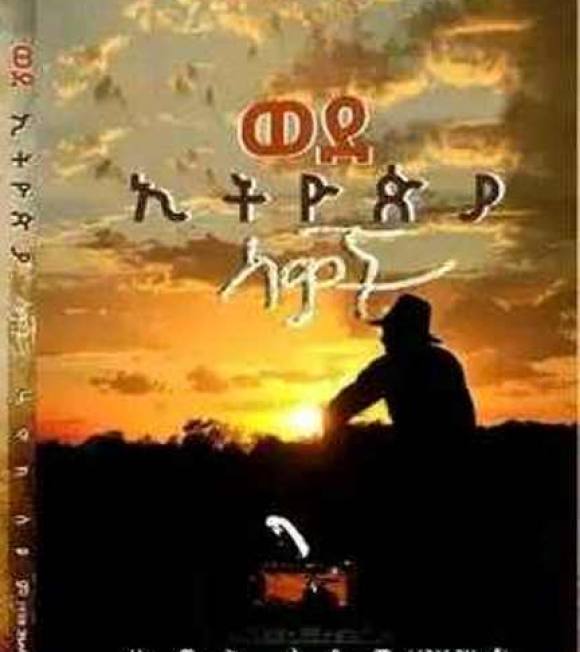
"The travel journalist Henok Seyoum's new book titled 'Wode Ethiopia Sewoch' (To the People of Ethiopia) will reach readers this coming Saturday."
Henok Seyoum is widely celebrated as Ethiopia's premier "Travel Journalist" (ተጓዡ ጋዜጠኛ). Over a career spanning nearly two decades, Henok has dedicated his life to traversing almost every corner of Ethiopia—from mainstream heritage sites to the country's most inaccessible and remote cultural enclaves.
He is well-known for his deeply engaging travel documentaries, radio chronicles, and television programs on networks like EBC, Arts TV World, and NBC Ethiopia.
Because of his relentless advocacy for conservation and heritage, he was recently named the head/face of the Gullele Botanical Garden in Addis Ababa.
He has authored other highly acclaimed travel-related books, most notably "Gondern Filega" (In Search of Gondar), which cataloged his intimate historical and spatial observations of the historic city.
The literal translation of the title is "To the People of Ethiopia" or "Toward the Ethiopian People."
Unlike conventional travel guides that focus purely on geography, mountains, or historic castles, this book is specifically focused on the human element of his travels.
Classified under the Ethiopian literary genre of Weg (creative essays/narratives), the book is written as a highly engaging collection of travel memoirs and philosophical reflections.
When discussing the core philosophy of the book, Henok has noted that traveling through rural and ancient parts of Ethiopia feels like stepping "two thousand years back in time." The book captures how ancient customs, hospitality, and lifestyles seamlessly persist alongside modern reality.
A core focus of the narratives is telling the stories of ordinary, yet extraordinary people he encountered on the road. This includes dedicated local guides, traditional elders, and conservationists—such as individuals who left comfortable lives abroad to return home and protect endangered species like the Ethiopian Red Wolf (ቀይ ቀበሮ).
Henok's writing style mimics his spoken journalism—poetic, warm, deeply respectful of rural communities, and full of vivid imagery. Wode Ethiopia Sewoch serves as both a love letter to the diverse cultures of Ethiopia and a cultural mirror for urban readers to reconnect with the core values of the country's various communities.
When a book like this is announced to "hit the market on Saturday," it traditionally means copies are distributed to major street vendors and book centers across Addis Ababa (such as the National Theatre area and Arat Kilo), often followed by a formal signing event at an iconic cultural location.